- August 15, 2026
- Bartels Busack Community, Cats, Dogs
Adopting a dog or cat in Cleveland: the first month
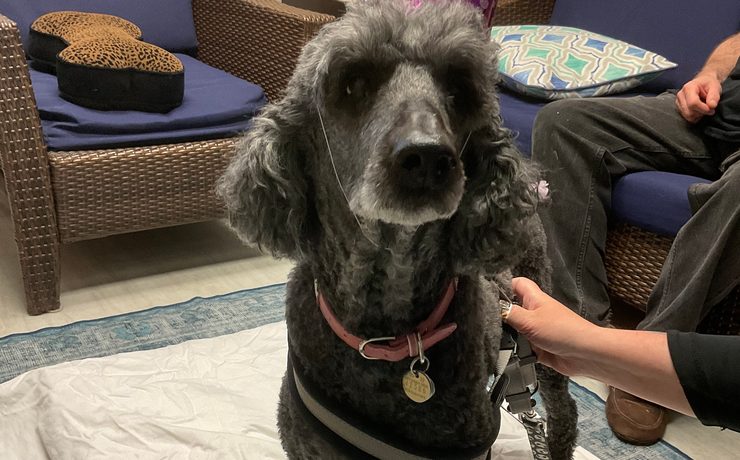
You found a dog or cat at a Cleveland-area shelter, and the paperwork is done. The first month sets the tone for the years ahead. Below is where the local shelters are, what to bring to the first vet visit, which registrations Ohio expects from a new dog owner, and how to help a nervous animal settle into a strange house.
Key takeaways
- Three adoption options close to Parma are the Cleveland APL on Willey Avenue, the Cuyahoga County Animal Shelter in Valley View, which places dogs only, and the Parma Animal Shelter on State Road. Check each shelter’s own page for current hours before you go.
- CDC advises a veterinary visit within a few days to a week after you adopt a dog or a cat. Bring every page of shelter paperwork with you.
- A microchip only works if it is registered in your name with current contact details.
- Ohio law requires a dog license. Buying one right after you adopt avoids the county’s late penalty.
- If you already have a cat, give the new one a quiet room of its own first, and give a new dog a predictable routine. Most animals need days to weeks, not hours, to relax.
Where to adopt a dog or cat around Cleveland
Greater Cleveland has several shelters, and each one runs its adoptions a little differently. Three that Parma families often ask about are listed below, with the address each shelter publishes on its own site. Hours change with the season and with staffing, so look at the shelter’s page on the day you plan to visit rather than trusting a list.
Cleveland Animal Protective League. The APL’s adoption center is at 1729 Willey Avenue in Cleveland, and its site keeps separate adoption listings for cats and for dogs and puppies.
Cuyahoga County Animal Shelter. The county shelter at 9500 Sweet Valley Drive in Valley View takes in lost and stray dogs, so dogs are what it adopts out. Its adoption process page explains the rules. Adoptions happen in person, and the shelter does not take applications online. You must be 18 or older. Children in the household aged 9 and under must meet the dog, and any dog you already own must complete a meet and greet. The county also asks you to check landlord or HOA rules on weight and breed before you come. A stray must be held for at least 72 hours under Ohio law before it can be adopted, so a dog you like may not be available on the first day you see it.
The county page also lists what its adoption fee covers: a DHLPP vaccine, a Bordetella vaccine, a one-year rabies vaccine, a dewormer, a heartworm test depending on age, spay or neuter surgery, a microchip and a current-year county dog license. That is a strong start, and it is also exactly the paperwork your veterinarian will want to see.
Parma Animal Shelter. The Parma Animal Shelter is at 6260 State Road and posts its adoptable dogs, cats and kittens, along with its application and visiting hours, on its own site.
If you are still deciding between a dog and a cat, or between a puppy and an adult, our older post on selecting the right pet for you walks through the questions to ask first.
The first vet visit: what it should cover
A shelter exam is a snapshot taken on a busy day. Your own veterinarian’s exam is the start of a record that follows your pet for life. The CDC’s guidance for new dog owners and for new cat owners says the same thing for both: take your new pet to the veterinarian within a few days to a week after adoption.
Here is how to get the most out of that first appointment.
- Gather the paperwork. Bring every page the shelter gave you, including vaccine certificates, the deworming record, any test results, the spay or neuter record and the microchip number. If something is missing, call the shelter before your visit and ask for a copy.
- Bring a fresh stool sample. A sample lets your veterinarian check for intestinal parasites. CDC notes that cats may shed Toxoplasma, Giardia, hookworms and roundworms in their stool, which is one reason it stresses hand washing after every cleanup.
- Write down what you have seen. Note how your pet is eating, drinking, sleeping and using the yard or litter box, plus any cough, sneeze or loose stool. A week of notes is more useful than a memory from the waiting room.
- Ask about the vaccine schedule. AVMA’s vaccination guide explains that puppies and kittens get a series of vaccines that starts at 6 to 8 weeks of age, and for most the last dose of the series is given at 16 weeks or older. If your pet is an adult with no reliable vaccine history, we will talk through what it needs and build the plan from the records you bring.
- Talk about prevention. Flea, tick, heartworm and intestinal parasite prevention, dental care and nutrition are all easier to set up in the first month than to fix later.
- Confirm the microchip. Ask us to scan for the chip and read the number back, so you know the number on your paperwork matches the chip in your pet.
At our hospital, a new-pet visit draws on the same care we provide for every patient: wellness exams, vaccinations, diagnostics, dental care and surgery at every stage of your pet’s life. If you are new to us, fill out our new client form and we will contact you to schedule your appointment. For the details of each species’ vaccines, see what vaccines your dog should be current on and what vaccines your cat should be current on.
Call us before the scheduled visit if your new pet seems sluggish or depressed, has diarrhea, is breathing abnormally, or has fluid running from the eyes or nose. CDC lists those as signs of illness in a dog, and we want to hear about them in a new cat as well. CDC also points out that even a dog that looks healthy can carry germs, which is one more reason not to skip the first visit.
Microchip and license: the two registrations to finish this week
A microchip is a tiny implant, usually placed under the skin between the shoulder blades. According to AVMA’s microchip guide, the chip holds only a unique identification number. It does not track your pet, and it does not hold your name or phone number. The registry holds those details, so a chip that was never registered to you, or that still lists the shelter, may not bring a lost pet home. Register the chip in your name, and update the record whenever you move or change phone numbers. AVMA also recommends a collar with current ID tags as a second line of defense, and asking your veterinarian to scan the chip at routine checkups. AVMA notes that August 15 is Check the Chip Day, an annual reminder to review and update those registry details.
For dogs, Ohio adds a legal step. The Cuyahoga County Fiscal Officer’s dog license page states that Ohio law requires dog owners to renew their dog’s license each year between December 1 and January 31. After January 31, the county adds a penalty for dogs older than three months that have been owned for more than 30 days, and it notes that you can avoid the penalty by buying the license as soon as you acquire the dog. The county sells one-year, three-year and permanent licenses online and by mail. One-year licenses are also sold at neighborhood locations, and the longer ones at the county animal shelter. The county also points out that a license number on your dog’s collar is all its office needs to identify the owner. The county program is a dog license, so for a cat a registered chip and a collar with an ID tag do that job.
We cover the chip itself in more depth in our post on why you should microchip your pet.
Helping a new dog settle in
Many shelter dogs arrive tired, overstimulated or unsure of the rules. For the first couple of weeks, aim for a quiet, predictable house rather than a busy one.
- Keep the routine boring. Feed, walk and let your dog out at the same times each day. A predictable day makes the household rules easier to learn.
- Give your dog a place of its own. A crate with the door open or a bed in a quiet corner gives your dog somewhere to retreat when the household gets loud.
- Go slowly with visitors. Hold off on parties and dog park trips until your dog has settled and you have learned its signals.
- Supervise children every time. CDC advises adults to supervise young children around dogs at all times, even trusted family pets, and notes that any dog can bite when scared, nervous, eating or guarding toys.
- Wash hands after cleanup. CDC recommends hand washing after touching a dog’s food, waste or supplies, and picking up after your dog even in your own yard.
Helping a new cat settle in
Cats are often unsettled by a change of address, and a new cat in a strange house may hide for days. That is normal. If you already have a cat at home, the Feline Veterinary Medical Association’s step-by-step introduction guide recommends starting the new cat in a transition room: a quiet room away from high-traffic areas and other pets, with its own food, water, litter box, perches, hiding spots, scratching surfaces and toys. Bring the cat there in its carrier, open the door, and let it decide when to come out.
The same guide recommends that every cat in the house have a recent veterinary checkup first, and that the new cat be tested for common contagious diseases. It describes introductions that can take anywhere from a few days to a few months, moving from swapping bedding, to scent transfer, to supervised visits only when each cat is calm at the current step. The guide warns that moving on before each cat is comfortable with the current step can leave lasting tension between the cats.
The litter box matters from the first night. CDC recommends one box per cat in the household plus one extra, changed daily, with hand washing afterward. People who are pregnant or have a weakened immune system should leave litter duty to someone else when they can.
Common questions about adopting a pet in Cleveland
How soon should a newly adopted pet see a veterinarian?
CDC advises a visit within a few days to a week after adoption, for dogs and cats alike. That is soon enough to catch an infection picked up in the shelter and to set a vaccine schedule from the shelter’s records. Book the appointment when you sign the adoption papers, then bring every page of those papers and a fresh stool sample with you.
The county shelter licensed my dog. Do I still need to do anything?
The county shelter includes a current-year license with each dog it adopts out, so you are covered for now. That license still has to be renewed, and Cuyahoga County’s renewal window runs from December 1 through January 31. Put a reminder on your calendar, keep the tag on your dog’s collar, and register the microchip in your name as well.
The shelter already vaccinated my pet. Why does the vet need to see them?
A shelter vaccine is often the first dose of a series, not the last. AVMA notes that the series for puppies and kittens starts at 6 to 8 weeks and, for most, ends at 16 weeks or older, so a young pet adopted mid-series still needs the rest. The first visit also covers a full exam, a parasite check and a plan for prevention that the shelter could not tailor to your home.
My new cat has been hiding under the bed for three days. Is that a problem?
Usually not, as long as the cat is eating, drinking and using the litter box. Hiding is how many cats handle a new place. Keep the cat in one quiet room with everything it needs and let it come out on its own schedule. If your cat stops eating, skips the litter box or seems unwell, call us instead of waiting it out.
Bring your new family member to meet us
The first visit is our favorite kind of appointment: a new pet, a new family and a clean slate. If you have just adopted a dog or cat in Parma or anywhere in Greater Cleveland, call us at 440.845.7141 or book a first visit with one of our veterinarians.
Our hospital at 6270 State Road in Parma is open Monday through Friday from 7:30am to 5:30pm and is closed Saturday and Sunday.