- September 15, 2026
- Dogs, Pet Boarding & Daycare, Pet Health & Wellness
Is boarding your dog safe? The dog flu vaccine explained
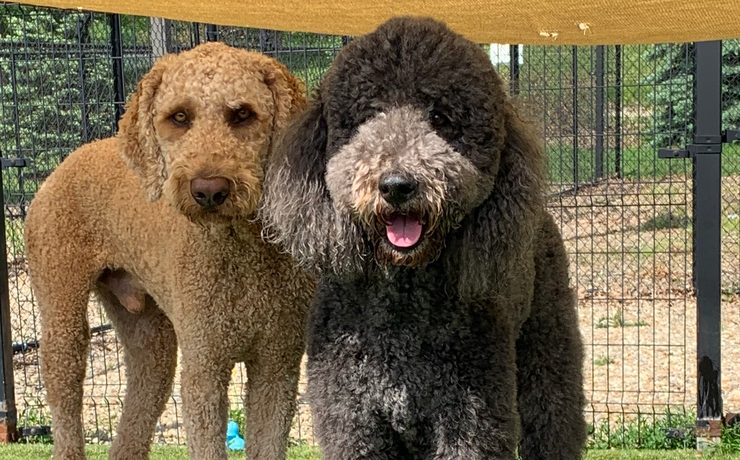
Is boarding your dog safe? For a healthy dog, it can be, when two things are in place before drop-off: the right vaccines, planned weeks ahead, and a facility that screens its guests and keeps sick dogs apart. The dog flu vaccine is the one to plan first, because it is given in two doses spaced a few weeks apart. Ask your veterinarian about it as soon as you have trip dates. This guide covers dog flu symptoms, how the canine influenza vaccine differs from the bordetella vaccine, and what to ask any boarding facility.
Key takeaways
- Dog flu spreads wherever dogs gather, especially indoors, which is why boarding, daycare and dog parks come up in every conversation about it.
- A dog infected with the H3N2 strain can shed the virus for up to 24 days, and a dog can be contagious even when it does not seem ill.
- The bordetella vaccine and the canine influenza vaccine are different shots for different germs. One does not replace the other.
- The dog flu vaccine needs two doses a few weeks apart, so the decision belongs weeks before your trip, not on the morning of drop-off.
- Ask any facility how it controls infection, and what happens if a guest starts coughing.
Dog flu symptoms, and how they differ from kennel cough
The American Veterinary Medical Association lists the signs of canine influenza as a persistent cough, thick nasal discharge, runny eyes, lethargy, reduced appetite and a fever that is often 104 to 105 degrees Fahrenheit. Most infected dogs have a mild illness and recover within two to three weeks, while other dogs might seem perfectly healthy. Some develop complications such as bacterial pneumonia. The AVMA considers the overall risk of death low, at about 1 to 5 percent of infected dogs.
Kennel cough is a broader label. The AVMA’s kennel cough page describes its classic sign as a frequent, honking cough that comes on suddenly, sometimes described as gagging or retching. In most cases the illness is mild and dogs fully recover within 7 to 10 days. Several organisms can cause it, including Bordetella bronchiseptica, which is a bacterium, along with canine parainfluenza virus and canine adenovirus type 2. Canine influenza virus is on the same list.
Because the signs overlap, you cannot tell the two apart at home. The AVMA notes that specific laboratory tests are needed to confirm canine influenza. If you think your dog is ill, the AVMA advises contacting your veterinarian and any training, daycare or kennel facility your dog recently visited, and keeping your dog separated from other dogs.
How dog flu spreads where dogs gather
The AVMA explains that any setting that brings dogs close together, especially indoors, increases the risk of spreading canine influenza. The virus moves by direct contact, as when dogs lick or nuzzle each other; by coughing, sneezing and barking; on bowls, toys, kennel surfaces and clothing; and on the skin and clothing of people who have handled an infected dog. Infected dogs can be contagious even if they do not seem ill, and they can spread the virus for up to four weeks after they were first exposed. The virus survives one to two days in the environment, but common disinfectants kill it easily.
The H3N2 strain is why timing matters so much. Cornell virologist Edward Dubovi, who helped identify the strain, estimated that H3N2 produces 10 times more virus than the older H3N8 strain and that it may be shed for up to 24 days, as Cornell reported when it urged owners to vaccinate. Cornell’s Animal Health Diagnostic Center adds that the virus spreads by close contact, often in a restricted space such as an animal shelter, day care center or boarding kennel, and recommends a 21-day quarantine for dogs with H3N2, compared with 7 days for H3N8. Dogs may keep coughing for several weeks after they recover.
For a boarding stay, that means a dog who was coughing two weeks ago may still be shedding virus, and a dog who looks fine at check-in may not be. Screening and isolation plans matter as much as the vaccine record.
What happened in 2015, and why Ohio dog owners heard about it
Most of what owners have read about dog flu traces back to one outbreak. A report in the CDC’s journal Emerging Infectious Diseases describes an epidemic of H3N2 canine influenza in the United States that began by late February 2015 with an outbreak of respiratory disease in dogs in Chicago. In April 2015, Cornell reported that laboratory scientists at Cornell University and the University of Wisconsin had found the outbreak, which was afflicting more than 1,000 dogs in Chicago and other parts of the Midwest, was caused by H3N2 rather than the strain first assumed. The virus was closely related to Asian strains first identified in 2006, and it was the first time H3N2 had been detected in North America.
Ohio was part of the story. The same report tallies test results by state from February 2015 through March 2016 and records 87 positive tests in Ohio. It also found that none of the secondary outbreaks across the country was sustained or widespread, although the virus kept circulating among dogs in the Chicago area.
That history does not describe what is circulating in Northeast Ohio today, and this article does not report a current outbreak. The AAHA canine vaccination guidelines point veterinarians to diagnostic testing, together with Cornell’s monitoring of where canine influenza is circulating, when they decide whether an individual dog needs the vaccine. Your veterinarian is the best source for current local activity.
The dog flu vaccine and the bordetella vaccine are not the same shot
The kennel cough shot does not cover dog flu, because the two vaccines target different germs. The AVMA’s kennel cough page lists Bordetella bronchiseptica and canine influenza virus as separate organisms, and marks each as one for which protection is available through additional vaccines. A bordetella vaccine is aimed at a bacterium. Canine influenza is a virus, and Cornell’s diagnostic center notes that the canine influenza vaccines offered are killed vaccines specific to the H3N8 or the H3N2 strain, with a vaccine combining the two strains now also available.
The canine influenza vaccine
Cornell’s diagnostic center states that two doses of the vaccine are necessary to develop an effective immune response. In Cornell’s 2015 report, the vaccine was described as one that may be given to healthy dogs age 6 weeks and older, delivered in two doses spaced a few weeks apart. Dubovi said vaccination is highly recommended for dogs at greater risk, and Cornell named dogs that spend time at doggie day care, boarding facilities and dog parks among them.
Not every dog needs it. The AVMA says canine influenza vaccination generally is recommended only in certain circumstances, and the 2022 AAHA canine vaccination guidelines state that routine use of the vaccine in all dogs is currently not recommended. The guidelines single out dogs that are boarded and otherwise commingled at dog daycare, dog parks, dog shows and agility events, and dogs that travel, as the ones whose need deserves a closer look.
The bordetella vaccine
For dogs at high risk for Bordetella and canine parainfluenza, the AAHA guidelines say it may be advantageous to give the intranasal combination vaccine for both more often than once a year, for example, before boarding. Your veterinarian will choose the form and the timing. Our page on the vaccines your dog should be current on covers the core list, and our article on why the leptospirosis vaccine is now core for every dog explains one recent change.
When to plan the dog flu vaccine before boarding
Work backward from your drop-off date.
- As soon as you have dates: ask your veterinarian whether your dog’s lifestyle calls for the canine influenza vaccine, the bordetella vaccine or both. If the flu vaccine is right for your dog, the first dose starts a series of two, given a few weeks apart.
- At least 2 weeks in advance: request the stay. We ask for boarding requests at least 2 weeks in advance, and our booking page lists the record and vaccine deadlines that apply before your dog arrives.
- Before the stay: finish registration. First-time guests start on the new guest page, and returning guests use the returning guest page.
- The week of the trip: watch for a cough or sneeze. The AVMA advises keeping a coughing or sneezing dog away from other dogs and calling your veterinarian for advice before taking your dog in to be seen.
- At drop-off: tell the team about anything new, such as a recent cough, a sick dog at home or a new medication.
Is dog boarding safe? What to ask any facility
A good facility asks you questions, and you are entitled to ask your own. The AVMA suggests that before you board, travel or join activities where dogs gather, you ask:
- What routine measures do you take for infection control?
- Has respiratory disease been a problem here?
- Do you have a plan for isolating dogs that develop signs of respiratory disease?
- How will you notify me if my dog has been exposed to a dog with an infectious disease?
Expect to be screened in return. At Bartels Busack, our guests must meet our standards of practice for both health and temperament before they stay with us at the resort. Cats and dogs who have more extensive medical needs (injections, dental care, wellness blood testing, vaccines, exams, etc.) can easily be accommodated at our full service facility. You can see the rooms and play areas on our resort tour.
Call a veterinarian promptly if a coughing dog has a fever, stops eating, or breathes fast or with effort. The AVMA notes that rapid or labored breathing can signal that bacteria have infected the lungs, which calls for immediate veterinary attention. Call ahead so the clinic can keep your dog away from other dogs when you arrive.
Dog flu vaccine questions owners ask
Does the bordetella vaccine protect my dog from dog flu?
No. The bordetella vaccine targets Bordetella bronchiseptica, a bacterium that is one cause of kennel cough. Canine influenza is a virus with its own vaccines, which Cornell’s diagnostic center describes as specific to the H3N8 or H3N2 strain, with a combined version also available. Many dogs need one and not the other. Ask your veterinarian which your dog’s lifestyle calls for, and whether a dose before boarding makes sense.
How long is a dog with dog flu contagious?
Longer than the dog looks sick. Cornell’s diagnostic center reports shedding for up to 24 days with H3N2 and recommends a 21-day quarantine for those dogs. The AVMA says infected dogs can spread the virus for up to four weeks after they were first exposed, and recommends isolating a dog with canine influenza for four weeks after signs first appear. A dog that seems recovered may still pass the virus on.
Can people or cats catch dog flu?
The AVMA says there is no evidence that people can catch canine influenza. Cats are another matter. Canine influenza has occasionally been diagnosed in cats, with cats in animal shelters at highest risk, and an infected cat may have a runny nose, sneezing and congestion. If your home has a sick dog and a cat, mention the cat when you call your veterinarian.
How far ahead of boarding should my dog get the dog flu vaccine?
Start early. Cornell’s diagnostic center says two doses are necessary for an effective immune response, and Cornell describes them as spaced a few weeks apart, which is why it urged owners planning holiday kennel stays to make appointments well ahead. Your veterinarian sets the exact interval, and our booking page lists how far before a stay vaccines must be given.
Does every dog need the canine influenza vaccine?
No. The AVMA says canine influenza vaccination generally is recommended only in certain circumstances, and the AAHA guidelines say routine use in all dogs is currently not recommended. The guidelines single out dogs that are boarded, go to daycare or dog parks, compete at shows or agility events, or travel. Talk with your veterinarian about your dog’s exposure, and check the requirements of any facility you plan to use.
Plan your dog's stay with us
If a trip is coming up, start with the vaccine conversation, then reserve the room. A short call can settle both in the right order.
Our resort at 6270 State Road in Parma is open Monday to Saturday, 8:00 a.m. to 7:00 p.m., and Sunday, 10:00 a.m. to 4:00 p.m. The hospital is open Monday through Friday from 7:30 a.m. to 5:30 p.m. and is closed Saturday and Sunday. Call 440.845.7141 to plan your dog’s vaccines and stay.