
- August 27, 2026
- Cats, Pet Behavior & Training
How to get your cat into a carrier without the fight
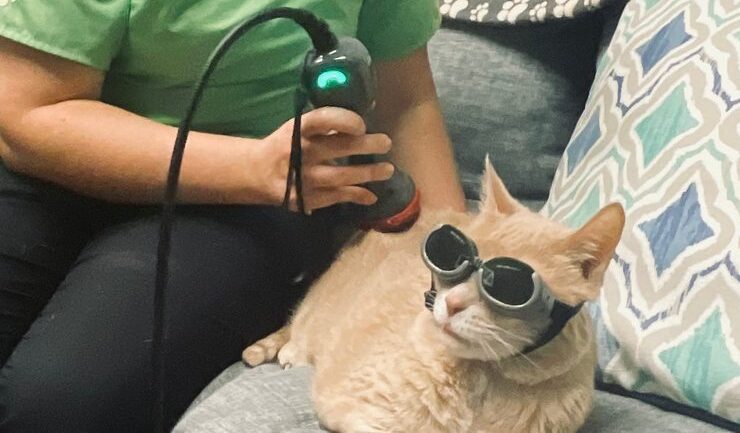
Here is how to get a cat into a carrier without a fight: make the carrier part of the furniture, reward every small step toward it, and practice closing, lifting and short car rides long before the appointment. A sturdy carrier that opens from the top does the rest. If your cat has not seen a veterinarian in a year or more because the last trip meant a chase, a scratch and a car full of yowling, you are not a careless owner, and this is fixable.
Key takeaways
- The carrier only ever appears before something unpleasant, so your cat learned exactly what the carrier predicts. Training teaches the opposite.
- Carrier training has been measured. In a controlled study, trained cats had shorter exams and lower stress scores, and all 11 took treats at the second visit, against 4 of the 11 untrained cats.
- Keep sessions to a minute or two and let your cat set the pace. A kitten may learn in days; a wary adult can take months.
- Choose a sturdy plastic carrier with a top opening and a removable top half. Skip soft fabric and backpack styles.
- Some cats still need help. Medication prescribed by your veterinarian before the visit is a legitimate tool, not a failure.
Why cats fight the cat carrier, and why it matters
Cats are not healthier than dogs. They are harder to get into the car. In the Bayer Veterinary Care Usage Study, 40 percent of cats had not been to the veterinarian within the past year, compared with 15 percent of dogs. One of the six factors the study identified was “feline resistance”: many cats resist the carrier and the drive and show signs of stress during visits, so owners put the appointment off. The study’s executive summary in the Journal of the American Veterinary Medical Association lays out all six. A later phase of the same study, which focused on cats, found that only 18 percent of cat owners surveyed had received any instruction from their veterinarian on how to make the trip less stressful, as the phase 3 summary in JAVMA reports.
Skipping the visit has a cost. International Cat Care’s guide for cat carers puts it plainly: the earlier an illness is diagnosed, the easier it is to treat, and avoiding a stressful trip is understandable but could harm your cat’s health.
Now look at the carrier from your cat’s side. It lives in the garage or a closet and comes out when you are in a hurry, followed by grabbing, a closed door and a car ride. International Cat Care notes that the motion and the new noises, sights and smells of travel may frighten a cat. Your cat learned the pattern accurately, and the same learning can run in reverse.
Does cat carrier training work?
It has been tested. Researchers at the University of Veterinary Medicine in Vienna ran a blinded study with 22 healthy adult cats, split into two balanced groups of 11. Every cat first rode for 10 minutes in a hard plastic carrier to a mock veterinary clinic and had a standard exam. Over the next 6 weeks, one group had positive reinforcement carrier training: 28 sessions averaging 8 minutes each. Then every cat made a second visit.
Stress scores fell in both groups, but the trained cats had significantly lower stress levels. Several fearful behaviors, such as hiding and panting, disappeared after training. All 11 trained cats accepted treats at the second visit, compared with 4 of the untrained cats, and the exam itself was significantly shorter for the trained group. The details are in dvm360’s report on carrier training cats for veterinary visits.
Notice the timeline. Those cats trained for six weeks. The plan below is a shorter home version you can start tonight, and some cats will need longer. Fear Free’s carrier guide says a kitten might learn in as little as a few days, while an adult cat who has already learned that the carrier goes to bad places might take several months.
How to get a cat into a carrier: a two-week plan
Keep every session short. Fear Free’s guide to carrier training suggests sessions of just a minute or two, and says two sessions of about a minute each day are ideal, because cats fill up on treats faster than dogs. One rule covers every step: if your cat backs away, you moved too fast. Go back a step and stay there for a few days.
- Days 1 to 3: make it furniture. Put the carrier where your cat already rests, door open or removed, with a blanket your cat has slept on inside. Leave it out all the time and ask nothing.
- Days 2 to 5: reward every step toward it. Reward your cat for approaching, then for one foot in, then both front feet, then all four. Fear Free suggests tuna, cream cheese or fish paste on a spoon.
- Days 4 to 7: build the carrier back up. If your hard carrier comes apart, Fear Free suggests starting with just the bottom half, then adding the top, then the open door. Feed meals beside it, then inside.
- Days 6 to 9: add the towel. Drape a towel that smells like home over the carrier so the inside is dim and covered.
- Days 8 to 11: close the door briefly. While your cat is eating, swing the door shut, count to three and open it before any protest. Build to a minute, then several, with a treat each time.
- Days 10 to 12: lift and carry. Support the carrier from underneath so it stays level instead of swinging from the handle. Walk a few steps, set it down, treat and open the door.
- Days 12 to 14: short car rides that end at home. Buckle the carrier in with the engine off, then run the engine, then drive around the block. Fear Free recommends exactly this: short car rides that do not end at the vet.
After two weeks, keep going. The carrier should never go back in the garage.
If your cat is sick, skip the training. Use whatever carrier you have and get your cat seen. Please call the hospital first so our team is ready for you, and see our urgent care page for pets who cannot wait.
Choosing a cat carrier, and making the ride easier
Pick a sturdy carrier that opens from the top
For many cats the worst moment is the last one: reaching into a front-loading box to pull out a frightened cat who has braced every leg. International Cat Care prefers a sturdy plastic carrier that is easy to clean, with a top half that lifts off so your cat can be examined while staying in the bottom half and feeling safe. It advises against soft fabric carriers, which can collapse and are hard to keep clean, and backpack styles, which move too much. It also recommends one carrier per cat, even for cats who get along.
Make the ride easier
- Cover the carrier with a familiar-smelling towel. International Cat Care adds that a synthetic feline pheromone spray can be used about 15 minutes before travel.
- Secure the carrier so it cannot slide, ideally in the footwell behind the front seats, and keep the car ventilated and at a comfortable temperature.
- Never open the carrier during the trip, even if your cat is crying. International Cat Care says this is not safe for you or your cat.
If the appointment is in three days
Three days is not enough to finish the plan, but it is enough to make this visit better than the last. Today, put the carrier in a room your cat uses, door open, with a familiar blanket and a few treats inside. Tomorrow, feed a meal near or in it. On the morning of the visit, close the door of a small room, work quietly and do not chase. Lower your cat in gently, from above if the carrier opens on top. Cover it, buckle it in and go.
Call us before the visit and tell us what happened last time. It is the right moment to ask whether medication might help your cat.
What a Fear Free vet visit changes, and when training is not enough
Some cats stay frightened however patient you are. International Cat Care says that for some cats the trip is extremely stressful despite everyone’s efforts, and that medication prescribed by your veterinarian before the visit can be very helpful. It names gabapentin as the most commonly used, and advises a trial dose before the appointment to make sure it works and has no side effects.
We are a Fear Free clinic and proud member of AAHA, as our accreditation page notes. Fear Free is a certification, not a poster in the lobby. Each certified professional must pass every online module with a score of 80% or higher and sign the Fear Free Pledge, a commitment to a humane, emotionally protective code of conduct, as Fear Free’s veterinary professional certification page sets out.
A practice can go further. Under Fear Free’s practice certification, the whole team builds what it learned into workflows, patient handling and client communication. Fear Free reviews the practice’s protocols and medical records, and observes patient handling through a virtual onsite visit or recorded videos. The aim is to reduce or remove anxiety triggers from arrival, through the exam and procedures, to discharge. Separately, the Feline Veterinary Medical Association, formerly the American Association of Feline Practitioners, runs a Cat Friendly Veterinary Professional certificate that covers reducing stress during the veterinary visit. To see what a visit with us looks like, visit our see a vet page.
After the visit: bringing your cat home
If you have more than one cat, the trip home matters too. International Cat Care explains that a cat returning from the clinic smells different to the other cats, and may look different with a bandage, clipped fur or a collar. Cats who got along can hiss, swipe or avoid each other. Give the returning cat a quiet room of its own with food, water, a litter box and a bed, and let familiar smells come back through grooming and bedding from home. After a few hours, or a day after a longer stay, allow supervised contact. If there is hissing or running away, give them more time apart before you try again.
Cat carrier questions owners ask
How do I get a cat into a carrier when she hates it?
Use a carrier that opens from the top. Set it on the floor in a small room, close the room’s door so your cat cannot bolt, and lower your cat in gently, feet first, rather than pushing her through a front door. Move calmly and do not chase. Over the following weeks, carrier training makes this step fade, because your cat learns to walk in on her own.
Why does my cat scream in the carrier?
The motion and the strange noises, sights and smells of a car trip can frighten a cat. Cover the carrier with a towel that smells like home, secure it in the footwell so it cannot slide, and keep the ride smooth. Vomiting, heavy drooling or repeated swallowing can mean travel sickness, which your veterinarian can treat. If the crying continues despite training, ask about prescribed medication.
Is it too late to carrier train an older cat?
No. International Cat Care says preparation ideally starts early, but adult and older cats can still benefit and become comfortable traveling in their carrier. The steps are the same, and the pace is usually slower. Stop at the first sign of worry and count every small step as progress, because a cat with years of bad trips needs time to unlearn them.
What is a Fear Free vet?
A Fear Free vet works at a practice whose team has completed Fear Free’s certification and signed its pledge to a humane, emotionally protective code of conduct. A certified practice also has its protocols and patient handling reviewed. The goal is to reduce or remove anxiety triggers at each step of the visit, from arrival to discharge.
Should my cat take medication before the vet?
Only if your veterinarian prescribes it. International Cat Care says prescribed medication before the visit can be very helpful for cats who stay very anxious, with gabapentin the most commonly used, and recommends a trial dose at home first to check that it works and has no side effects. Ask at your next visit, and never give your cat a medication meant for a person or another pet.
Book a quieter appointment
If your cat is overdue, start with a phone call. A yearly wellness exam is the place to start, and our page on the vaccines your cat should be current on shows what to bring up. For more, see our posts about cats.
Our hospital is at 6270 State Road in Parma. The hospital is open Monday through Friday from 7:30 a.m. to 5:30 p.m. and is closed Saturday and Sunday. Call 440.845.7141 to book, and tell us your cat does not love the carrier.