- November 10, 2026
- Dogs, Seasonal Pet Safety
Can dogs eat turkey? Thanksgiving foods to share or skip
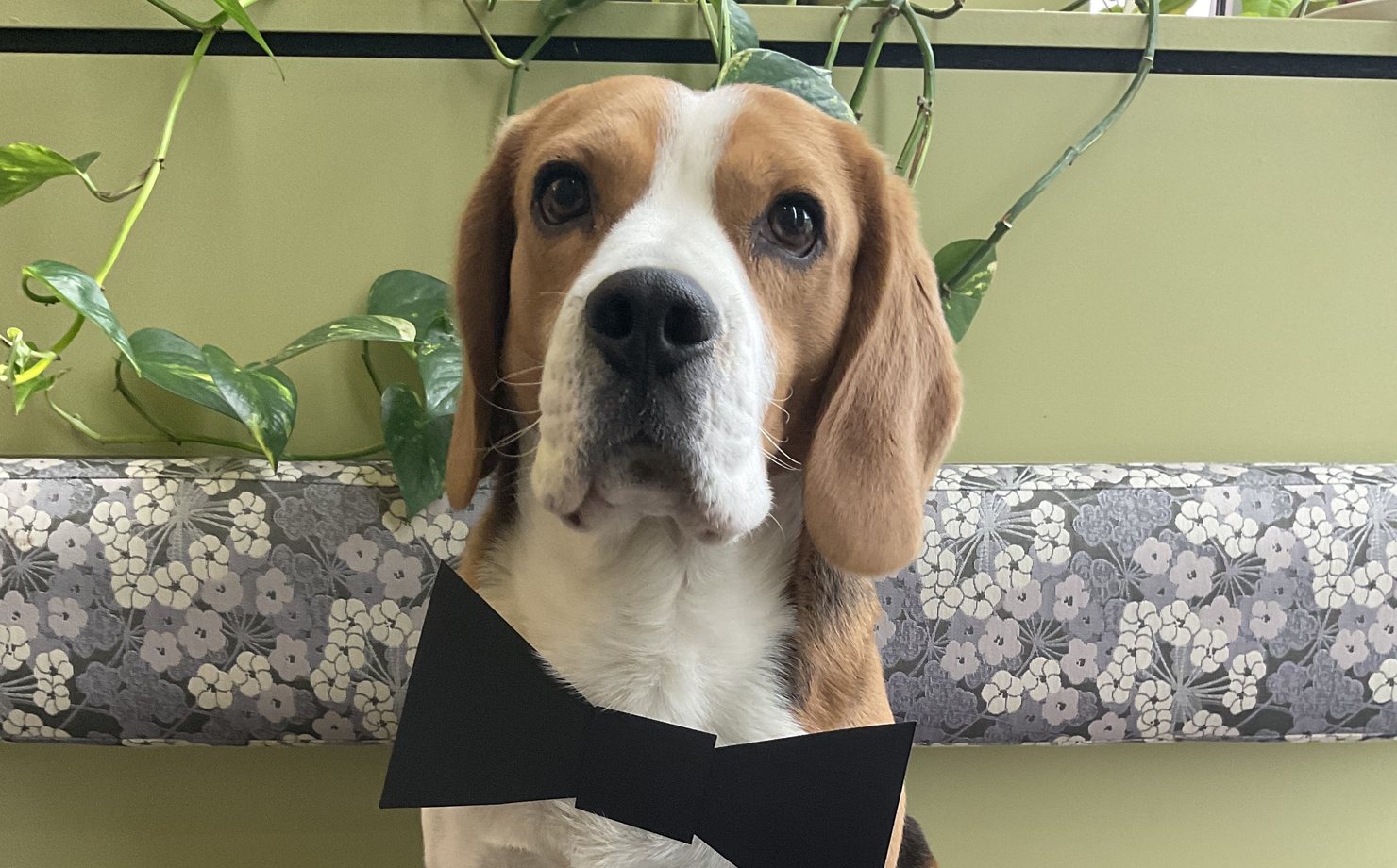
Yes, dogs can eat turkey, as long as it is plain, boneless, skinless and given in a small portion. The trouble is everything else on the Thanksgiving table: the skin, the gravy, the bones, and the onions and garlic folded into the side dishes. Here is what you can share with your dog, what stays off the plate, and what to do if your dog gets into the leftovers.
Key takeaways
- Plain, boneless, skinless turkey is generally safe for dogs in small portions, and so are plain green beans, carrots, pumpkin and a little plain sweet potato.
- Turkey skin, fat trimmings, gravy and other rich foods can cause pancreatitis, a painful and potentially life-threatening disease.
- Cooked turkey bones splinter easily and can cause choking or internal injuries such as a blockage or a punctured intestine.
- Onions, garlic, grapes, raisins, raw bread dough, alcohol and macadamia nuts are all dangerous for dogs.
- If your dog eats something it should not, call your veterinarian right away rather than waiting for signs.
Can dogs eat turkey?
A little, and only the plain meat. The AVMA’s Thanksgiving pet safety tips say plain, boneless and skinless turkey is generally safe for pets in small portions. AAHA’s guide to Thanksgiving foods pets should avoid puts plain, cooked white turkey meat with no bones, skin or seasoning at the top of its list of safer treats.
The meat also needs to be fully cooked. The ASPCA’s Thanksgiving safety tips recommend sticking to your dog’s normal diet, and say that if you do share a bite of turkey, it should be boneless and fully cooked, because raw or undercooked turkey may contain salmonella bacteria.
The catch is how turkey usually reaches the table: roasted in its skin, basted, seasoned and sitting beside a boat of gravy. Those extras are the problem, not the meat. Keep the portion small, too. AAHA’s guide to pancreatitis in pets explains that most cases of pancreatitis occur after a pet eats a high-fat meal, so a few bites mixed into your dog’s usual dinner is a treat, and a plate of scraps is not.
Thanksgiving foods to share or skip
Fine in small, plain amounts
AAHA suggests these as safer holiday treats, and the AVMA adds that small pieces of pumpkin can be a healthy snack:
- Plain, cooked white turkey meat with no bones, skin or seasoning
- Plain green beans
- Plain carrots
- Plain pumpkin
- A small amount of plain sweet potato
Plain means the food itself, without the butter, sugar, seasoning or toppings that usually come with the holiday version. A spoonful set aside before you season the dish works well.
Keep off the plate
- Turkey bones. AAHA explains that turkey bones become brittle after cooking and splinter easily. A swallowed splinter can cause choking or internal injuries such as a blockage or a punctured intestine.
- Skin, fat trimmings, gravy and rich sauces. The AVMA says these are hard for pets to digest and that sometimes even a small amount can cause pancreatitis.
- Onions, garlic and anything cooked with them. The ASPCA’s list of people foods to avoid feeding your pets explains that onions, garlic and chives can cause stomach and intestinal irritation and red blood cell damage that can lead to anemia. AAHA notes that they are commonly used to season Thanksgiving side dishes.
- Grapes and raisins. AAHA notes that some stuffing recipes call for them, and that they can lead to kidney failure in dogs.
- Raw bread dough. The ASPCA says yeast dough can rise in the digestive system, causing painful bloating and possibly a twisted stomach, a life-threatening emergency. The yeast also produces alcohol.
- Alcohol. AAHA warns that even a small amount can be dangerous and can lead to vomiting, difficulty breathing, tremors and seizures.
- Macadamia nuts and other nuts. AAHA says macadamia nuts can cause weakness, vomiting, tremors and overheating in dogs. The ASPCA adds that nuts such as almonds, pecans and walnuts are high in fat and can cause vomiting, diarrhea and potentially pancreatitis.
- Bouillon. The ASPCA notes that bouillon cubes used for stock and gravy are high in sodium, which can lead to stomach and intestinal problems and even seizures.
- Pie and other desserts. The AVMA cautions that pumpkin pie can contain ingredients that are toxic to animals, and chocolate and the sweetener xylitol are dangerous for dogs. We cover chocolate, xylitol and other cold-season risks in our guide to fall and winter pet hazards in Northeast Ohio.
Pancreatitis in dogs: why rich leftovers are the real risk
Most of the foods on the skip list are obvious once you know them. Fat is the one that surprises people, because a piece of turkey skin or a spoonful of gravy seems harmless. According to the FDA’s article on keeping dogs and cats safe from holiday hazards, high-fat scraps such as fat trimmings and turkey skin can cause more than an upset stomach. They can cause pancreatitis, a potentially life-threatening and painful disease. The FDA lists the most common signs in dogs as vomiting, stomach pain, restlessness, shaking, diarrhea, fever and weakness.
The timing is not a coincidence. AAHA notes that pancreatitis cases typically increase around the holidays, when owners or houseguests give pets turkey trimmings or ham drippings to include them in the celebration, and it explains that fatty treats like these can cause severe inflammation and tissue damage in the pancreas. Some breeds, including Miniature Schnauzers, are more likely to develop pancreatitis. AAHA lists lethargy, loss of appetite, fever, vomiting, diarrhea and belly pain among the signs.
AAHA’s pancreatitis guide explains that treatment typically includes intravenous fluids during several days in the hospital, and it advises that a pet with vomiting or diarrhea for more than 24 hours, or one that has not eaten for 24 hours, should be examined by a veterinarian immediately. If your dog has had pancreatitis before, ask your veterinarian which holiday foods, if any, are safe to share.
Keeping the leftovers out of reach
A dog does not need to be served table scraps to eat them. These steps, drawn from AAHA, the AVMA and the ASPCA, keep the food where it belongs:
- Make the kitchen a pet-free zone while you cook. Block it off with baby gates, or keep your dog in a bedroom or crate during meal prep.
- Ask guests, especially children, not to share their food with your dog, no matter how much it begs.
- Check the room often for unattended plates and cups, and clear low tables and counters when you cannot supervise.
- Seal the turkey carcass, bones and related trash in a tightly secured bag, and put it in a closed container outdoors or behind a securely closed door.
- Take the trash out often during cooking and dinner, and use a can with a locking lid.
- Ask guests to keep their medications up and out of reach.
- If your dog gets nervous when people visit, give it another room or a crate with a favorite toy.
You can find more seasonal guides in our seasonal safety articles. For a short checklist, see our three pet safety tips for the holidays.
If your dog got into the leftovers
Quick action matters, and the right first move is a phone call, not a wait-and-see. The AVMA advises that if you believe your pet has eaten something it should not have, you should immediately call your veterinarian or a local veterinary emergency clinic.
- Move your dog away from the food. Pick up whatever is left so your dog cannot eat more.
- Work out what was eaten. Note the food, roughly how much, and when. Keep the packaging or the recipe if you have it, because the ingredients matter.
- Call us during hospital hours. Our hospital is open Monday to Friday, 7:30am to 5:30pm. Call 440.845.7141, and if your dog needs to come in, please call the hospital first so our team is ready for you. Our urgent care page explains what to do when your dog cannot wait for a routine appointment.
- After hours, call a 24-hour emergency hospital or a poison control line. The AVMA lists ASPCA Poison Control at (888) 426-4435 and the Pet Poison Helpline at (855) 764-7661, and notes that a fee may apply.
- Follow the instructions you are given, and do not wait for signs to appear before you call.
Some problems take days to show
A dog can seem fine at dinner and be sick later. The FDA notes that if a bone lodges in the stomach or intestines, signs may appear hours to days later, including vomiting, diarrhea, low energy, refusing food and stomach pain. With onions and garlic, the Merck Veterinary Manual says signs of anemia such as weakness, paleness and collapse can take several days to develop. Keep an eye on your dog for several days after a holiday slip, and call your veterinarian if any of these signs appear.
When you are not sure whether something counts as an emergency, call and ask. Our guide to when your pet needs urgent care right now lists the signs that should not wait.
Quick answers
Can dogs eat sweet potatoes?
Yes, in a small amount and plain. AAHA lists a small amount of plain sweet potato among its safer Thanksgiving treats, and the ASPCA suggests mixing a few pieces of turkey, sweet potato and green beans into your dog’s usual dinner. Plain is the key word. A sweet potato casserole made with butter, sugar and toppings is not the same food, so set some aside before anything is added.
Can dogs eat ham?
It is better not to share it. AAHA’s pancreatitis guide names ham drippings, along with turkey trimmings, as the kind of fatty treat that owners and houseguests give pets at holiday meals, around the time of year when pancreatitis cases typically rise. The AVMA adds that table scraps such as gravy, sauces and meat fat can be hard for pets to digest. For a holiday treat, a few bites of plain, boneless, skinless turkey is the safer choice.
Can dogs eat green beans?
Plain green beans are fine. AAHA includes plain green beans, carrots and pumpkin among its safer holiday treats. A casserole is a different story if it is seasoned with onions, which the ASPCA warns can cause red blood cell damage that can lead to anemia. Give your dog a few plain beans set aside before cooking, and skip anything with a creamy sauce or a fried onion topping.
Can dogs eat onions?
No. The ASPCA explains that onions, garlic and chives can cause stomach and intestinal irritation and red blood cell damage that can lead to anemia. The Merck Veterinary Manual adds that garlic is three to five times more toxic than onion, and that concentrated forms such as dehydrated flakes, powders and dry onion soup mixes are the most common cause in dogs and cats. If your dog eats onion or garlic, call your veterinarian.
Questions about holiday foods? Call our Parma hospital
If you are not sure whether something your dog ate is safe, call us at 440.845.7141. Our hospital at 6270 State Road in Parma is open Monday to Friday, 7:30am to 5:30pm, and is closed Saturday and Sunday. If it is after hours, call a 24-hour emergency hospital. For anything that is not urgent, you can request an appointment with our veterinarians before the holiday.