- November 17, 2026
- Dogs, Seasonal Pet Safety
Winter paw care for dogs: balm, boots and salt
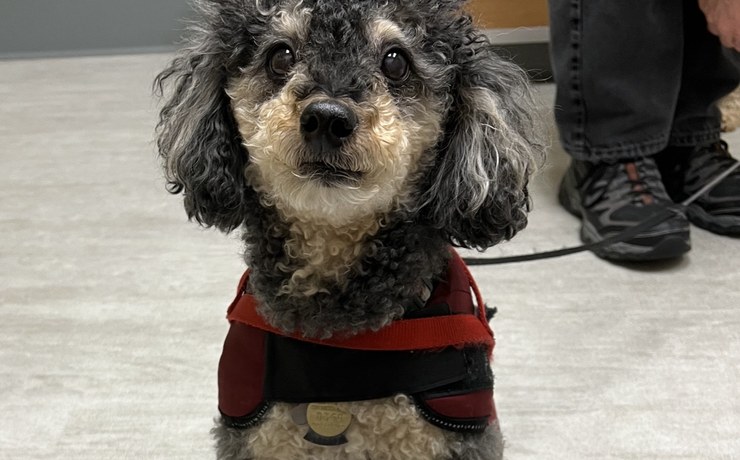
On a Northeast Ohio winter walk, your dog’s paws take the worst of it: frozen pavement, ice, snow and the salt spread on sidewalks and driveways. A few minutes of care before and after each walk goes a long way. Here is how to use dog paw balm and dog boots, what to wipe off when you get home, and when sore paws need a veterinarian.
Key takeaways
- Dry, cold air and wet winter weather can chap paw pads, and salt and de-icing chemicals can irritate them or make a dog sick if licked off.
- Massage petroleum jelly or another vet-approved paw protectant into the pads before a walk. Boots add more coverage, as long as they fit properly.
- After every walk, wash or wipe your dog’s feet, legs and belly, then check for cracked pads and redness between the toes.
- Cold tolerance varies from dog to dog, so shorten walks in very cold weather and watch for signs of hypothermia.
- Vomiting after licking salty paws, or weakness and confusion after time in the cold, needs a veterinarian right away.
What winter does to your dog's paws
Winter tests paw pads from several directions at once. The ASPCA’s cold weather safety tips explain that dry, cold air and chilly rain, sleet and snow can cause chapped paws and itchy, flaking skin, and that walks can become dangerous if chemicals from ice-melting products are licked off bare paws. Going in and out of the cold, then back into a warm home, adds to the itching and flaking.
The AVMA’s cold weather animal safety guide recommends checking your dog’s paws often for signs of cold-weather injury, such as cracked or bleeding pads. It also notes that a sudden limp during a walk may be an injury, or may simply be ice packed between the toes.
Some dogs need extra attention. According to the AVMA:
- Short-haired dogs feel the cold faster because they have less protection.
- Short-legged dogs may get cold faster because their bellies and bodies are more likely to touch snow-covered ground.
- Arthritic and elderly dogs may have more trouble walking on snow and ice and may be more likely to slip and fall.
- Dogs with diabetes, heart disease, kidney disease or hormonal imbalances such as Cushing’s disease may have a harder time regulating their body temperature.
Dog paw balm: how and when to use it
A paw balm works as a barrier between the pad and whatever is on the ground. The ASPCA recommends massaging petroleum jelly or another vet-approved paw protectant into the paw pads before going outside, to help protect them from salt and chemical agents. Apply it before the walk, not after, and give it a moment to work in.
Balm does not replace cleaning. Whatever your dog walked through still needs to come off when you get home, which is covered in the routine below. If you are not sure which product to use, ask your veterinarian to recommend one, and ask before you put anything on a pad that is already cracked or bleeding.
Grooming helps, too. The ASPCA advises never shaving a dog down to the skin in winter, because a longer coat provides more warmth. For a long-haired dog, it suggests a trim to cut down on clinging ice balls, salt crystals and de-icing chemicals, including the hair between the toes. The AVMA agrees that clipping the hair between the toes can reduce ice buildup.
Our resort spa offers bathing, grooming, poochie pedicures, facials, foot scrubs and massage therapy, among other services. You can request a spa date online. The resort is open Monday to Saturday, 8:00am to 7:00pm, and Sunday, 10:00am to 4:00pm.
Your winter walk routine, step by step
- Check the weather and your dog. The AVMA notes that you will probably need to shorten walks in very cold weather. The ASPCA’s rule of thumb: if it is too cold for you, it is probably too cold for your pet.
- Protect the pads. Work a thin layer of petroleum jelly or a vet-approved paw protectant into each pad.
- Add boots or a coat if your dog wears them. Put them on indoors so you are not wrestling with straps on an icy step.
- Stay off the ice. The AVMA warns against walking near frozen ponds, lakes and other water, because you cannot know whether the ice will hold your dog. It also advises keeping your dog away from areas where de-icers have been used.
- Watch the way your dog walks. If your dog starts to limp, stop and look between the toes for packed ice before you go on.
- Wash or wipe when you get home. Clean your dog’s feet, legs and belly, and remove any snowballs from between the pads. On long walks, the ASPCA suggests bringing a towel along to clean off stinging, irritated paws.
- Look closely at the pads. Check for cracks and for redness between the toes.
- Dry your dog completely. The ASPCA recommends towel-drying your dog as soon as it comes inside and keeping your home humidified.
Dog boots and winter coats
Not every dog needs boots, but they help. The ASPCA says booties provide more coverage than a balm alone and keep sand and salt from getting lodged between bare toes, where they cause irritation. If you choose boots, the AVMA advises making sure they fit properly. Let your dog get used to them around the house before the first snowy walk.
A coat makes more sense for some dogs than others. The AVMA suggests a sweater or dog coat for a dog with a short coat or one that seems bothered by the cold. It also recommends keeping several on hand, so your dog always goes out in a dry one, because a wet sweater or coat can actually make a dog colder. For short-haired dogs, the ASPCA suggests a coat or sweater with a high collar or turtleneck that covers the dog from the base of the tail to the belly.
Salt on dog paws: wipe it off
Rock salt is one big reason the after-walk wipe matters. The Merck Veterinary Manual’s article on keeping pets safe during cold winter months explains that salt used to melt ice on walkways can poison dogs that lick it off their paws after a walk. Signs include vomiting within several hours that can progress to weakness, diarrhea, muscle tremors and seizures.
Salt is not the only thing that sticks. The AVMA notes that your dog’s feet, legs and belly can pick up de-icing products, antifreeze and other chemicals that could be toxic, and recommends wiping or washing them when you get back inside so your dog does not lick them off later.
Antifreeze deserves its own mention. Merck notes that it tastes sweet and that only 3 to 4 teaspoons can be lethal for a dog. AAHA’s guide to antifreeze toxicity adds that early signs can take 30 minutes to 12 hours to appear, that antidotes are most effective when given within eight hours, and that you should never make your pet vomit before talking to a veterinary professional. If you suspect your dog swallowed salt or antifreeze, Merck advises calling your veterinarian and animal poison control immediately. Our guide to fall and winter pet hazards in Northeast Ohio covers antifreeze and other seasonal risks in more detail.
How cold is too cold for dogs?
There is no single number. The AVMA explains that cold tolerance varies from dog to dog based on coat, body fat, activity level and health. Long-haired and thick-coated breeds tend to handle cold better but are still at risk, and the AVMA says no pet should be left outside for long periods in below-freezing weather.
Know the warning signs of hypothermia. The AVMA lists whining, shivering, seeming anxious, slowing down or stopping, seeming weak, and looking for warm places to burrow as signs to get your dog inside quickly. Merck adds a caution about shivering: it is not usually a sign of hypothermia in pets as it is in people. Instead, Merck says, pets typically act weak or disoriented, breathe shallowly, have a slow pulse, or at worst collapse.
Frostbite is harder to spot. Merck explains that it typically affects poorly insulated areas, including the tips of the ears, the feet and the tail, and that affected skin may be pale or red, swollen and painful. The AVMA adds that frostbite may not be fully recognized until a few days after the damage is done.
Call a veterinarian right away if your dog:
- Vomits after a walk on salted sidewalks, or shows weakness, tremors or seizures
- May have swallowed antifreeze, even if it seems fine
- Seems weak or disoriented, breathes shallowly or collapses after time in the cold
- Has pale or red, swollen, painful skin on the ears, feet or tail
Our hospital is open Monday to Friday, 7:30am to 5:30pm. At night or on a weekend, call a 24-hour emergency hospital.
Cold also affects older joints. The AVMA notes that cold weather may worsen some conditions, such as arthritis, and recommends a veterinary exam at least once a year. We also answer how long to leave your pet out in cold weather.
Quick answers
What can I put on my dog's paws for the cold?
The ASPCA recommends massaging petroleum jelly or another vet-approved paw protectant into the pads before going outside, to help protect them from salt and chemicals. Boots add more coverage and keep salt and sand from lodging between the toes. Either way, wash or wipe your dog’s feet, legs and belly when you get home, and ask your veterinarian which product suits your dog if you are unsure.
Do dogs need boots in the snow?
Not always, but they help many dogs. The ASPCA says booties give more coverage than a paw balm alone and keep sand and salt from getting stuck between the toes. If you use them, the AVMA advises making sure they fit properly, so measure your dog’s feet and let it practice wearing them indoors first.
Is salt bad for dogs' paws?
It can be. The ASPCA notes that salt and sand caught between bare toes cause irritation, and the Merck Veterinary Manual explains that dogs can be poisoned by licking rock salt off their paws after a walk. Signs include vomiting within several hours that can progress to weakness, diarrhea, muscle tremors and seizures. Wipe or wash your dog’s paws after every winter walk.
What should I do about cracked paw pads?
The AVMA lists cracked or bleeding pads among the signs of cold-weather injury, so check your dog’s paws often in winter. Keep the feet clean and dry, wash off salt after every walk, and protect the pads before going out. If a pad is bleeding, swollen or making your dog limp, or the cracks keep coming back, have your veterinarian take a look before you treat it at home.
Winter paw care at our Parma resort and hospital
For a winter grooming visit, our resort is open Monday to Saturday, 8:00am to 7:00pm, and Sunday, 10:00am to 4:00pm. For sore, cracked or swollen paws, our hospital at 6270 State Road in Parma is open Monday to Friday, 7:30am to 5:30pm, and is closed Saturday and Sunday. Call 440.845.7141 or request an appointment with our veterinarians, and browse our seasonal safety articles for more cold-weather tips.