
- September 29, 2026
- Cats, Pet Health & Wellness
Cat hairball remedies: what helps and when to call the vet
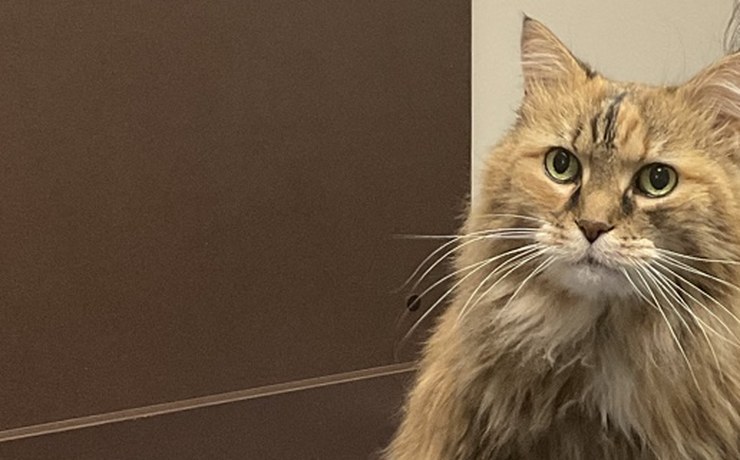
Your cat hacks, retches and leaves a damp clump on the rug, and you are left wondering whether that is normal. An occasional hairball usually is, but frequent vomiting is not, and the two can look alike first thing in the morning. Here is what a hairball actually is, which cat hairball remedies help, and the signs that mean your cat should see a veterinarian.
Key takeaways
- A cat bringing up a hairball once every week or two is not uncommon, and on its own it is nothing to worry about.
- Daily brushing and combing is the most practical hairball remedy. A long-haired cat may also benefit from a haircut once or twice a year.
- Check with your veterinarian before you give a laxative, a hairball gel or a diet that claims to prevent hairballs.
- Vomiting more than once a week, or vomiting with lethargy, a poor appetite, blood, more thirst, changes in urination or diarrhea, needs a veterinary visit.
- Repeated retching that brings nothing up, or a cat that refuses food for more than a day or two, should be seen without delay.
What a hairball is, and why cats get them
When your cat grooms, tiny backward-slanted projections on the tongue, called papillae, carry loose hair down the throat and into the stomach. Hair is made mostly of keratin, a tough protein the body cannot digest. According to the Cornell Feline Health Center’s article on the danger of hairballs, most swallowed hair passes through the digestive tract and out in the feces, but some stays in the stomach and gradually collects into a damp clump. Veterinarians call that clump a trichobezoar.
Despite the name, a hairball that comes up is rarely round. Cornell describes it as slender and cylindrical, shaped more like a cigar or a sausage, because it takes its shape from the narrow esophagus on the way out. It is usually about an inch long, roughly the color of your cat’s coat, and its odor is unpleasant but tolerable.
Some cats get hairballs more often than others. Cornell notes these patterns:
- Long-haired breeds such as Persians and Maine Coons may be at greater risk than short-haired breeds.
- Older cats, as experienced groomers, are more likely to develop hairballs than kittens and young cats.
- Hairballs are more frequent during the seasons when cats shed their coats.
- Some cats are simply more fastidious groomers than others.
Heavy grooming can have a cause of its own. Cornell points out that excessive self-grooming may be a sign of a skin problem related to a food allergy, which is worth raising with your veterinarian if your cat seems to lick its coat constantly.
Hairball or vomiting? How to tell the difference
Owners often say a cat “threw up a hairball” about anything that comes out of its mouth, but several different things can be going on. The Merck Veterinary Manual’s guide to vomiting in cats describes vomiting as the forceful ejection of the stomach’s contents, normally preceded by excessive salivation, repeated swallowing, retching and strong contractions of the belly muscles. Regurgitation is different. It is passive and takes no effort, and what comes up tends to be undigested and may have a cylindrical shape that reflects the esophagus.
A hairball has a recognizable look: hair, in a tube shape, close to the color of your cat. Food, liquid or foam with no hair in it is not a hairball, and the cause may be something else entirely. The Cornell Feline Health Center’s article on vomiting in cats lists many possible causes, among them:
- Eating something it should not, such as the leaves of poisonous plants, spoiled cat food, string or yarn, human medications, or human foods like chocolate and onions
- Objects picked up from the floor, such as paper clips and rubber bands
- Internal parasites
- Gastrointestinal conditions such as constipation and inflammatory bowel disease
- Metabolic diseases, including diabetes, kidney disease and hyperthyroidism
The sound can mislead you, too. Cornell notes that frequent hacking may have nothing to do with hairballs and may instead point to another digestive problem or to a respiratory condition such as asthma, which can need urgent treatment. If you can, record a short video of an episode on your phone to show your veterinarian.
Cat hairball remedies that help
No product makes hairballs impossible, but you can reduce how much hair your cat swallows and help the rest move along. These steps come from Cornell’s Feline Health Center and the Merck Veterinary Manual.
- Brush and comb every day. Cornell recommends making a habit of brushing and combing your cat’s coat daily, and the Merck Veterinary Manual’s advice on managing hairballs agrees that frequent brushing to remove loose fur limits the hair your cat swallows.
- Add sessions during shedding season. Because hairballs are more frequent when cats shed their coats, those weeks are the time to brush a little more.
- Consider a haircut for a long-haired cat. If your cat will not tolerate brushing, Cornell’s article A Hairy Dilemma suggests a haircut by a veterinarian or a reputable groomer once or twice a year, which it calls especially effective in long-haired breeds.
- Ask before you start a hairball gel or laxative. Cornell explains that a hairball remedy is usually a mild petroleum-based laxative, and Merck notes that medications such as mineral oil can be given if necessary to help hair pass. Cornell also strongly advises never giving a cat a laxative without a veterinarian’s approval and supervision.
- Ask about hairball diets, too. Merck notes that some commercial cat diets and treats are formulated to help prevent hairballs. Cornell gives the same advice for diets that claim to prevent or relieve a blockage as it does for laxatives: talk with your veterinarian first.
- Keep the floor clear. Cornell suggests keeping thread, paper clips, twist-wraps and similar items off the floor, because once swallowed they can become dangerous hairball ingredients.
- Keep a simple log. Write down the date of each episode and what came up. A few weeks of notes show whether your cat is past the once-a-week mark that Cornell gives as a reason for a veterinary visit, and they make the conversation at the exam much easier.
Bringing a hairball up is also the safer outcome. Cornell explains that a serious complication can occur when a clump of hair passes from the stomach into the intestine instead, because there it could cause a life-threatening blockage.
When a hairball becomes a problem
Most hairballs come up and that is the end of it. Trouble starts when a wad of hair grows too large to pass through the narrow openings into or out of the stomach, which Cornell calls a serious health threat. A hairball can also pass into the small intestine and become tightly lodged there. Cornell says that is uncommon but very serious, and that without surgery it can be fatal. Merck adds that a hairball that stays in the stomach for a long time can harden into a dense mass that irritates the stomach or even blocks the digestive tract.
See a veterinarian without delay if your cat:
- Is lethargic, or refuses to eat for more than a day or two
- Retches again and again without bringing anything up
- Vomits more than once a week, or more than once or twice in a single day
- Has blood in the vomit, or shows weakness, increased thirst, more or less urination than usual, or diarrhea along with the vomiting
- Seems to have belly pain, a fever or weight loss
Our hospital is open Monday to Friday, 7:30am to 5:30pm. If this happens at night or on a weekend, take your cat to a 24-hour emergency hospital.
Our urgent care page explains what to do when your cat is ill and cannot wait for a routine appointment. For warning signs beyond vomiting, read our guide to when your pet needs urgent care right now.
What your veterinarian may check
Finding the cause starts with your cat’s history: how often it happens, what comes up and whether anything else has changed. Cornell describes the usual next steps for frequent vomiting as a physical exam, then blood work and a fecal exam to rule out toxins, parasites and metabolic disease. If those come back normal, x-rays and ultrasound can help find masses, swallowed objects and other problems in the digestive tract. For a suspected hairball blockage, Cornell says diagnosis rests on the exam, blood work, x-rays, perhaps ultrasound, and the cat’s pattern of hairball episodes.
Treatment depends on what turns up. Cornell notes that a blockage may need surgery, but more often care centers on protecting the intestines over several days with a laxative to move the hairball through. Cats with ongoing vomiting often need supportive care such as fluid therapy, followed by a bland, easily digested diet once the vomiting stops.
At our hospital, we correlate laboratory and diagnostic medical imaging, such as ultrasound and digital x-ray, on every patient, and you can read about our diagnostic services on our hospital services page. We are a Fear Free clinic and a proud member of AAHA. If the car ride is the hard part for your cat, our guide to carrier training before a vet visit can help.
Quick answers
Is it normal for a cat to throw up hairballs?
An occasional hairball is common. The Cornell Feline Health Center says it is not uncommon for a cat to bring up a hairball once every week or two, and that on its own this is nothing to worry about. Hairballs more often than that, or hairballs alongside lethargy, a poor appetite or repeated retching that brings nothing up, are a reason to see your veterinarian, because something other than hair may be the cause.
Why is my cat throwing up white foam?
Foam or liquid with no hair in it is not a hairball, so look at the bigger pattern. Cornell notes that many cats vomit on occasion, and it lists many possible causes, from eating something they should not to parasites, inflammatory bowel disease, kidney disease, diabetes and hyperthyroidism. Vomiting more than once a week, or vomiting with lethargy, a poor appetite or any other sign of illness, should be checked by your veterinarian.
What is the best hairball remedy for cats?
Daily brushing and combing is the remedy Cornell recommends first, because hair that ends up on the brush is hair your cat does not swallow. A long-haired cat may also benefit from a haircut once or twice a year. Hairball gels, laxatives and special diets can help some cats, but Cornell advises giving a laxative, or a diet that claims to prevent a blockage, only with your veterinarian’s approval.
Do short-haired cats get hairballs?
Yes. Every cat swallows loose hair when it grooms, so any cat can get hairballs. Cornell notes that long-haired breeds such as Persians and Maine Coons may be at greater risk, and that older cats, which spend more of their time grooming, get them more often than kittens. Hairballs also become more frequent during shedding season, so a short-haired cat still benefits from regular brushing.
See a veterinarian in Parma about your cat's vomiting
If your cat’s hairballs have become more frequent, or what comes up does not look like hair at all, an exam is the way to find out why. Our hospital at 6270 State Road in Parma is open Monday to Friday, 7:30am to 5:30pm, and is closed Saturday and Sunday. Call us at 440.845.7141 or request an appointment with our veterinarians. For more on caring for your cat, browse our cat health articles.